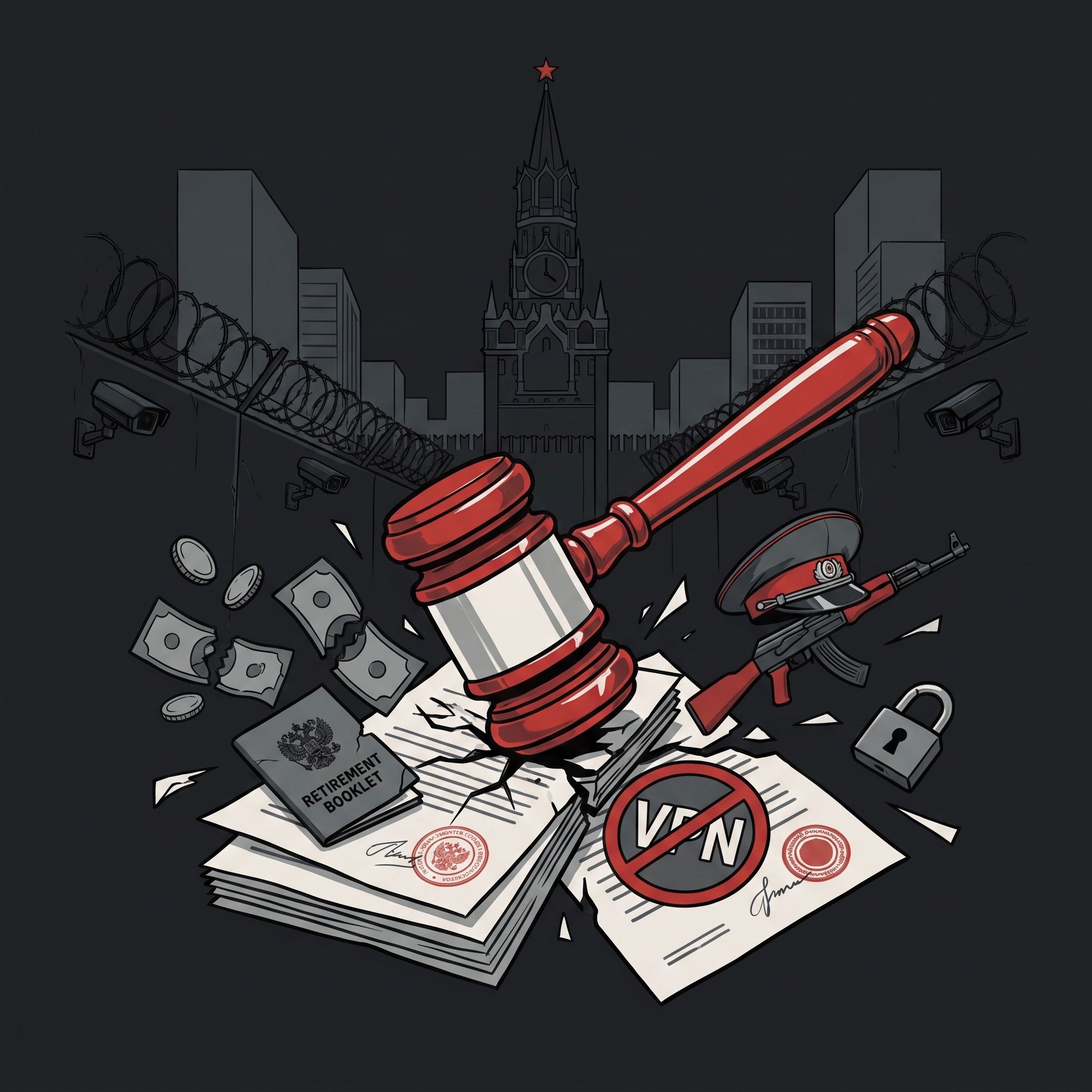
Why without VPN do blocked websites sometimes work?

James
2026-07-28
Read time
2 minutes

Resources blocked in Russia, such as popular instant messengers and social networks, occasionally become temporarily accessible without using special bypass tools. Users often attribute this to simple technical glitches, but for specialists, such incidents are of great interest, allowing them to study the algorithms of the state traffic filtering system in detail.
How the state traffic filtering system works
Since the adoption of the sovereign internet law, special equipment operating on deep packet inspection technology has become the main tool of network censorship. These technical means filter traffic at several levels, including DNS spoofing, blocking access to specific IP addresses at the network layer, and terminating connections based on domain signatures in TLS handshakes or signatures of popular communication protocols.
Methodology of network restriction research
To analyze the filtering mechanisms, specialists conducted network probing, simulating the actions of a regular user and comparing the results of requests from Russia with direct access from Europe. Testing was carried out in four areas: checking DNS server responses, establishing a TCP connection on port 443, sending standard requests bypassing the local cache, and sending requests with a blocked domain in the header to an unblocked IP address to detect selective filtering.
Three levels of internet resource blocking
The study showed that the filtering system operates in multiple layers. Some services are completely blocked at the IP address level, making it impossible to establish a connection. Other resources successfully pass this stage, but the connection is dropped during the transmission of the domain name in the TLS handshake. For many information websites, DNS spoofing is used, where a user receives an official stub IP instead of the actual address.
Why blocked websites temporarily open
Temporary restoration of access is associated with the technical characteristics of the distributed filtering network. The equipment can switch to a fail-open mode, passing traffic without inspection during overloads or signature updates to avoid disrupting the overall operation of communication networks. Additionally, systems do not always keep up with the dynamic IP rotation of major CDN networks, and database updates across regional nodes occur asynchronously.
Ways to minimize risks for users
To protect against basic traffic manipulations, regular users are advised to configure DNS encryption at the browser or home router level using secure protocols. Developers of circumvention software apply packet fragmentation methods to hide headers from deep packet inspection systems, send packets with artificially reduced lifetime, or implement metadata encryption in modern security protocols.
Despite ongoing network disruptions and protocol blocks, HiroVPN users can count on stable access thanks to reliable filtering circumvention technologies.