Post-election expectations: what unpopular reforms are predicted in Russia

Sophia
2026-07-28
Read time
2 minutes
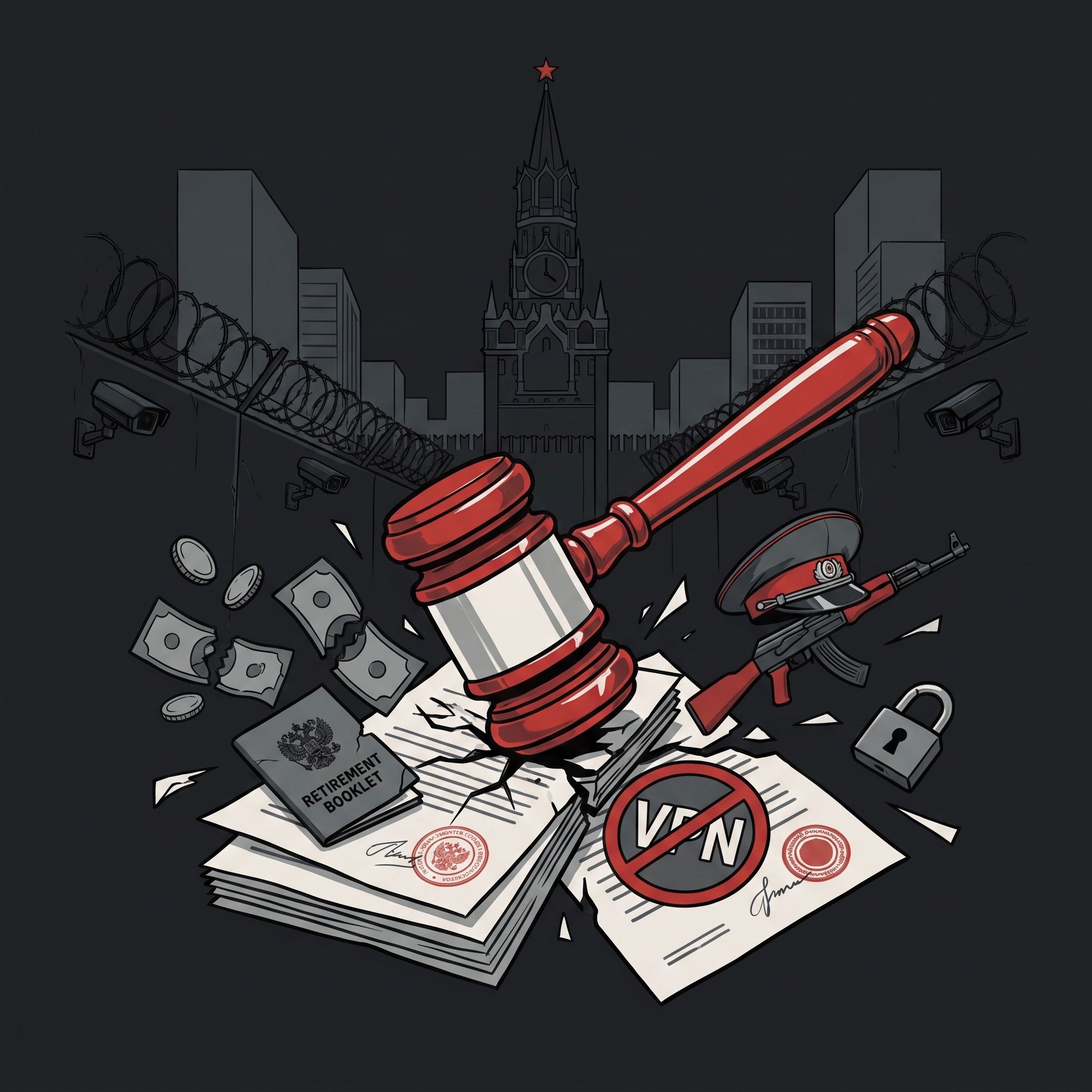
Historically, unpopular decisions in Russia are often made immediately after elections or during distracting events, as was the case with the monetization of benefits in 2004, the raising of the retirement age in 2018, or the mobilization in 2022. Officials and experts expect a new wave of harsh reforms following the upcoming parliamentary elections in the autumn.
Likelihood of introducing martial law
Sources report discussions regarding the potential introduction of martial law or some of its elements. This measure, implemented by presidential decree, enables direct state administration, suspension of political parties, bans on mass public events, and restrictions on movement. Currently, such a regime is already active in four annexed regions, while certain elements, including military censorship, are effectively operating nationwide.
Prospects of a new mobilization
Despite official denials, rumors about preparations for a new mobilization wave continue to circulate due to a decline in contract recruitment rates in early 2026. In response, regional authorities are sharply increasing one-time signing bonuses to millions of rubles. If these measures fail to resolve the personnel shortage, tough decisions could be made as early as autumn.
Risks of forced seizure of bank deposits
Another scenario under discussion involves the partial seizure of citizens' bank savings by converting them into long-term or perpetual war bonds. Rumors suggest this measure could affect accounts exceeding 1.5 to 2.8 million rubles. While state financial officials deny such plans, pointing to other methods for covering the budget deficit, rising government spending continues to cause public concern.
Restrictions on traveling abroad
Rumors about the introduction of Soviet-style exit visas have been dismissed by officials as absurd, yet partial travel restrictions are already in place for many Russians. These bans affect civil servants, state corporation employees, and individuals with access to state secrets. Following the elections, authorities may expand these measures by introducing additional restrictions for employees of strategic enterprises.
Campaign against VPN services and censorship
In the spring of 2026, pressure on tools designed to bypass blocks intensified: regulators block specific services, while major digital platforms restrict access for users with an active VPN. Although the idea of charging for international traffic was deemed technically unfeasible, authorities will continue to block specific protocols and issue fines for advertising bypass methods to make their use more difficult for the general public.
Rising taxes and the cancellation of benefits
Financial pressure will manifest through tighter controls on capital movement, increased utility tariffs (which were specifically postponed to October), and rising levies on businesses. In particular, a draft law is being prepared to exchange data between the tax service and banks to collect customers' tax identification numbers. This will enable monitoring of peer-to-peer transfers and identification of undeclared income.
Using the reliable HiroVPN service will help bypass access restrictions and protect your personal data amid tightening internet regulations.