Longest mobile internet shutdown in Delhi history ends as protests conclude
James
2026-07-26
Read time
2 minutes
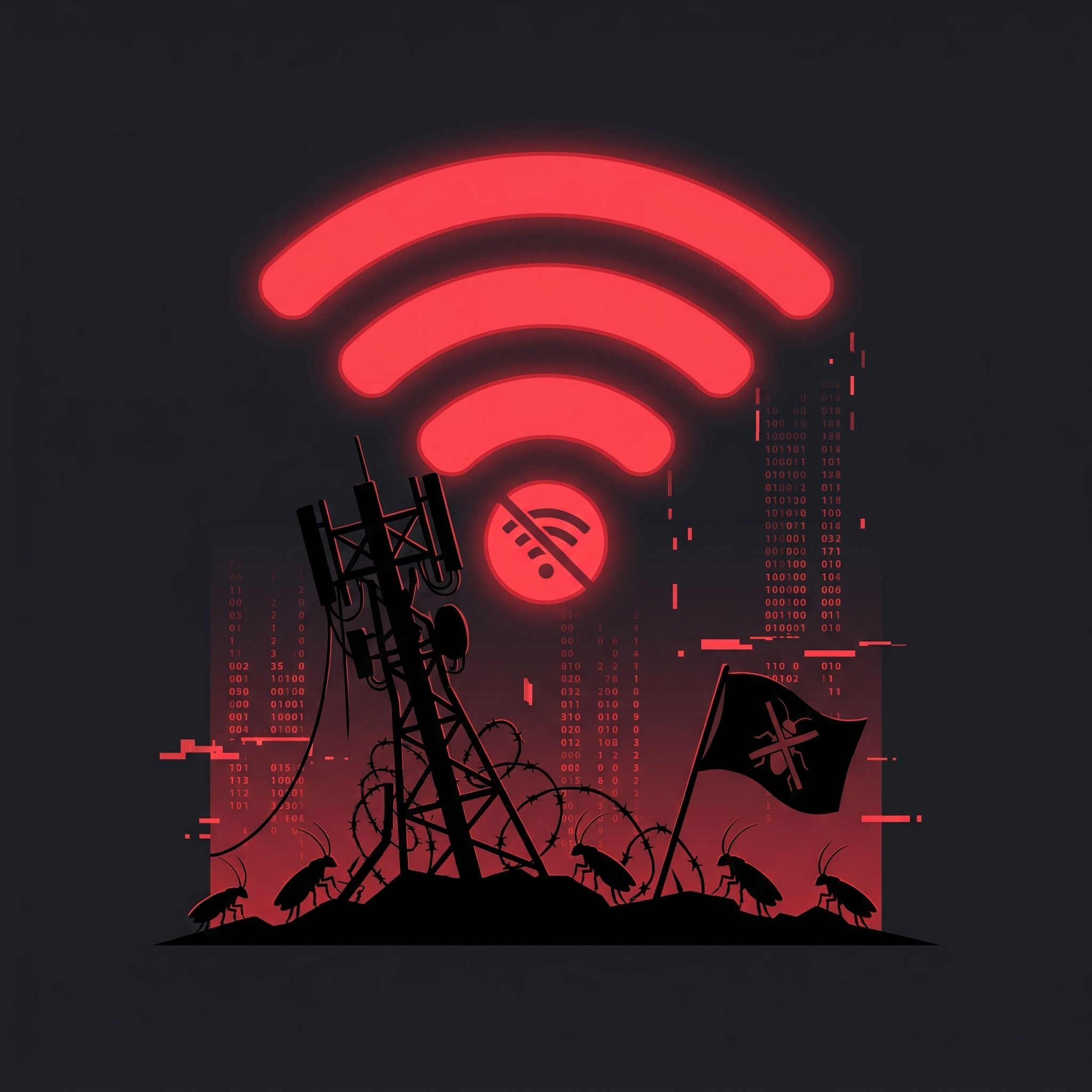
The Indian capital has experienced the longest mobile internet shutdown in its history. The restrictions were implemented due to massive demonstrations organized by the Cockroach Janta Party, which demanded the resignation of Education Minister Dharmendra Pradhan. On Saturday, authorities issued a seventh consecutive directive extending the digital block near Jantar Mantar.
Network services and mobile data began returning shortly after Dharmendra Pradhan announced his resignation on social platform X. Following his announcement, protest leaders called off their demonstrations, stating that the government had met their key demands.
Internet restoration occurred well ahead of the official midnight deadline. However, representatives from major telecom providers noted that they had not received any formal government orders revoking the restrictions until late Saturday evening.
Over the five-day period, July 21 was the only day when no suspension orders were issued. With the seventh extension on Saturday, the continuous internet disruptions set a record as the longest ever documented in the national capital.
Timeline of network restrictions
The shutdown initiated on July 20 when the government ordered telecom operators to suspend mobile data services in central Delhi from 10 AM to 6 PM. This was followed by successive directives extending the blackouts through the nights and subsequent days, culminating in the seventh order issued on Saturday.
The shutdown affected a 1.5-kilometer radius around the main protest site, including the popular Janpath Market, major hotels, and prominent media offices. In response, a digital rights group challenged the legality of these measures in the Delhi High Court.
Historical context of local shutdowns
Delhi has previously seen similar network blackouts, though they were typically shorter. For example, temporary suspensions occurred in December 2019 during protests against the Citizenship Amendment Act, and again in January 2021 at the capital borders during the farmers' demonstrations.
Due to the lack of cellular connections, demonstrators turned to offline communication methods, such as Bluetooth mesh messaging apps that do not rely on active internet. Consequently, national cyber crime agencies directed software distribution platforms to remove links hosting such software.
With a reliable HiroVPN service, users are protected from such network access problems and communication restrictions.