How a Banned Chat App Defeats India's Internet Blackout and What It Means for the CLARITY Act

Daniel
2026-08-01
Read time
2 minutes
In India, a youth-led political movement recently forced the resignation of the Education Minister on July 25, 2026. The group, calling themselves the Cockroach Janta Party, adopted their name after the Chief Justice of India compared unemployed, critical young activists to cockroaches. The youth reclaimed the insult, turning it into a popular satirical movement.
Massive protests erupted in Delhi on June 6 following reports of leaked exam questions for the National Eligibility Entrance Test (NEET). A subsequent investigation revealed over 110 exam leaks between 2004 and 2026, impacting more than 22.5 million candidates. Despite police crackdowns using water cannons and tear gas, the intense public pressure led to the minister's resignation.
Offline Technologies Empowering Protesters
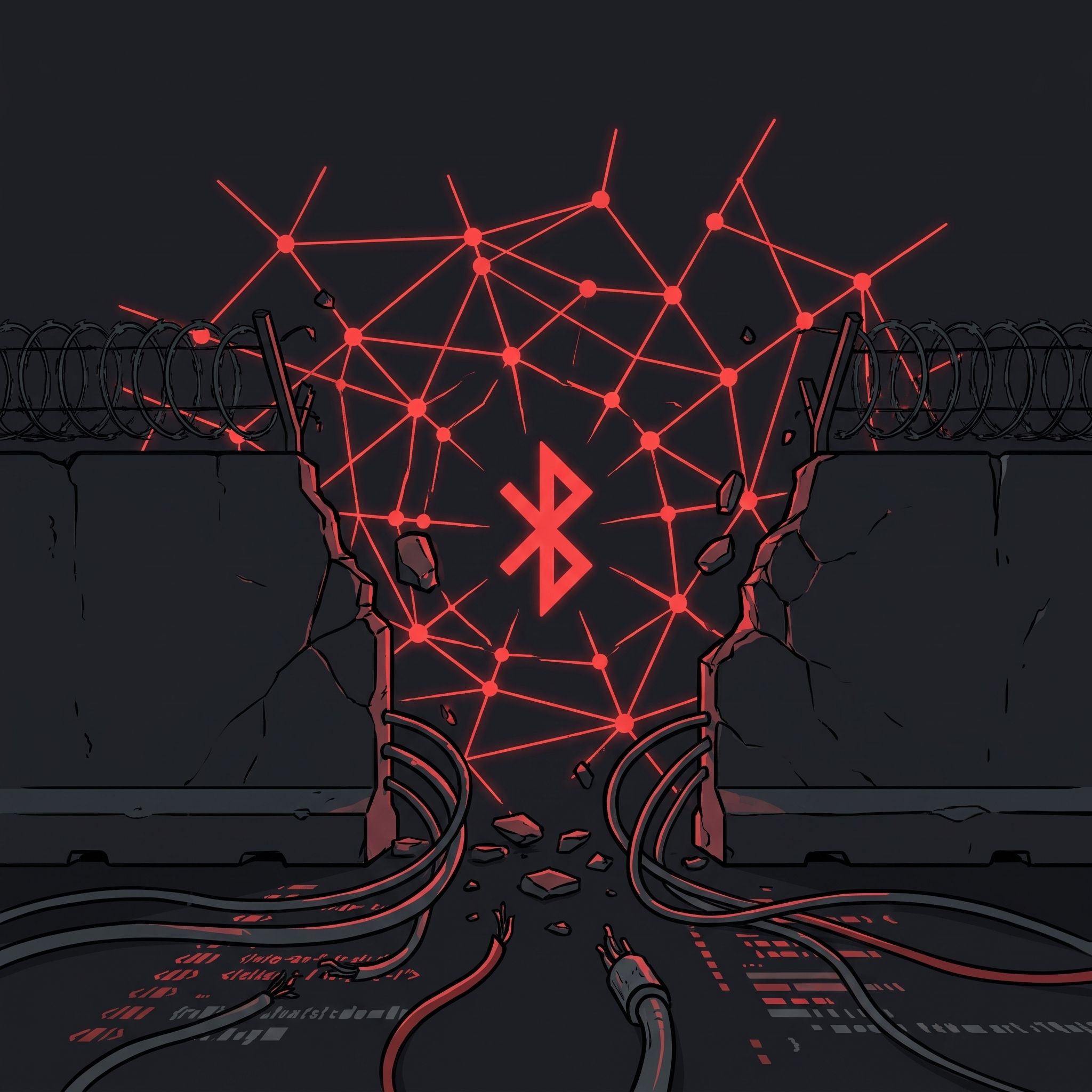
In an effort to stop the protests, the government implemented internet shutdowns. However, activists maintained communication using Bitchat, a decentralized, open-source application developed by Jack Dorsey. The app relies on Bluetooth to link nearby phones, creating peer-to-peer relay chains over distances up to 1,300 feet, allowing completely offline and anonymous messaging.
When authorities tried to suppress the tool by demanding the removal of its source code from GitHub, the developer community responded rapidly. The code was mirrored across multiple repositories and shared directly between devices. This proved that decentralized, open-source software is virtually impossible to erase permanently.
The CLARITY Act and the Fight for Digital Sovereignty
The events in India underscore the significance of the CLARITY Act, a bill currently being debated in the US Congress. This legislation aims to protect decentralized, open-source systems and public blockchains. It seeks to ensure that developers are not prosecuted for writing code and that citizens maintain access to permissionless financial and communication platforms.
Such decentralized applications are crucial not just during political crises, but also during natural disasters when traditional networks fail. As governments increasingly seek to regulate and restrict centralized systems and AI tools, defending open-source infrastructure becomes essential for preserving personal freedom.
In times when governments resort to communication blackouts and network restrictions, using HiroVPN allows users to stay connected and secure their digital access.